Why Pilots Need Yoga More Than Ever
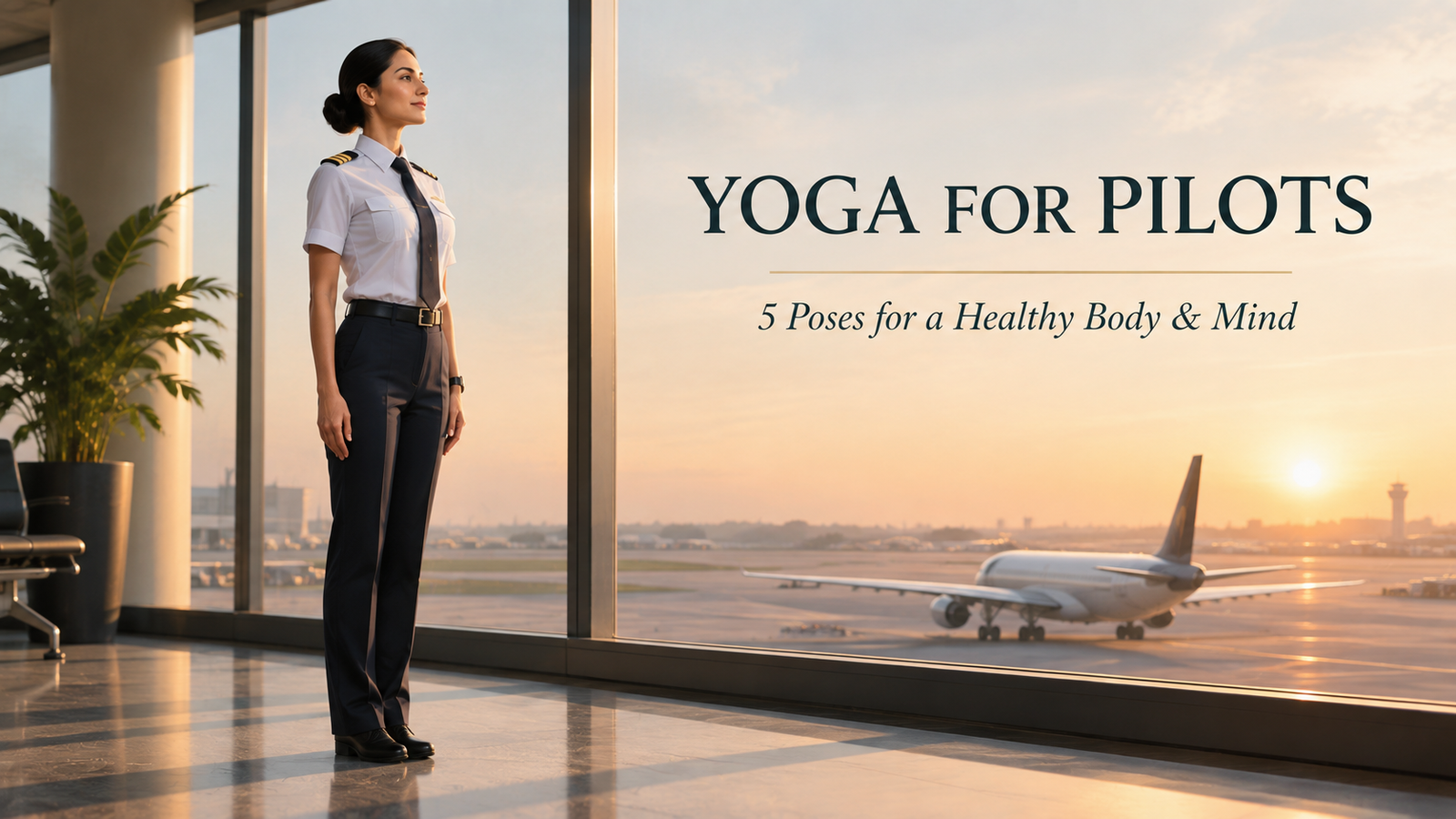
Flying an aircraft demands exceptional concentration, quick decision-making, and physical endurance. While the job may seem exciting from the outside, pilots face unique health challenges that can gradually affect their body and mind.
Long hours of sitting in a confined cockpit, irregular sleep schedules, crossing multiple time zones, high mental workload, and limited opportunities for movement can lead to fatigue, stiffness, poor posture, and chronic stress.
The good news? Just 15–20 minutes of yoga each day can help improve flexibility, reduce muscular tension, calm the nervous system, and support better overall wellbeing.
Common Health Challenges Faced by Pilots
1. Neck and Shoulder Pain
Maintaining the same posture for hours and constantly scanning cockpit instruments often causes stiffness and muscle tightness.
Yoga can help by:
- Improving neck mobility
- Releasing shoulder tension
- Correcting posture
2. Lower Back Pain
Prolonged sitting increases pressure on the lumbar spine, making lower back discomfort one of the most common complaints among pilots.
Yoga helps by:
- Strengthening back muscles
- Improving spinal flexibility
- Reducing stiffness
3. Poor Posture
Sitting for extended periods can weaken core muscles and tighten the chest and hip flexors.
Benefits of yoga:
- Better posture
- Improved spinal alignment
- Stronger core muscles
4. Stress and Mental Fatigue
Pilots operate under constant responsibility and must remain mentally alert throughout every flight.
Yoga and mindful breathing activate the parasympathetic nervous system, helping reduce stress while improving mental clarity.
5. Poor Circulation
Remaining seated for long durations may reduce blood circulation in the legs, leading to swelling and discomfort.
Gentle yoga movements encourage healthy circulation and muscle activation.
5 Best Yoga Poses for Pilots
1. Tadasana (Mountain Pose)
Benefits
- Improves posture
- Enhances balance
- Builds body awareness
- Reduces muscular imbalance from prolonged sitting
Hold: 30–60 seconds
2. Marjaryasana–Bitilasana (Cat-Cow Pose)
Benefits
- Mobilizes the spine
- Relieves neck and back stiffness
- Improves spinal flexibility
- Reduces tension after long flights
Repeat: 8–10 slow rounds
3. Bhujangasana (Cobra Pose)
Benefits
- Opens the chest
- Strengthens back muscles
- Counteracts rounded shoulders
- Improves breathing mechanics
Hold: 20–30 seconds
4. Vrikshasana (Tree Pose)
Benefits
- Improves balance
- Enhances concentration
- Develops mental stability
- Builds confidence and focus
Hold: 30 seconds each side
5. Shavasana (Corpse Pose)
Benefits
- Reduces stress hormones
- Calms the nervous system
- Promotes mental recovery
- Improves overall relaxation
Practice: 5–10 minutes
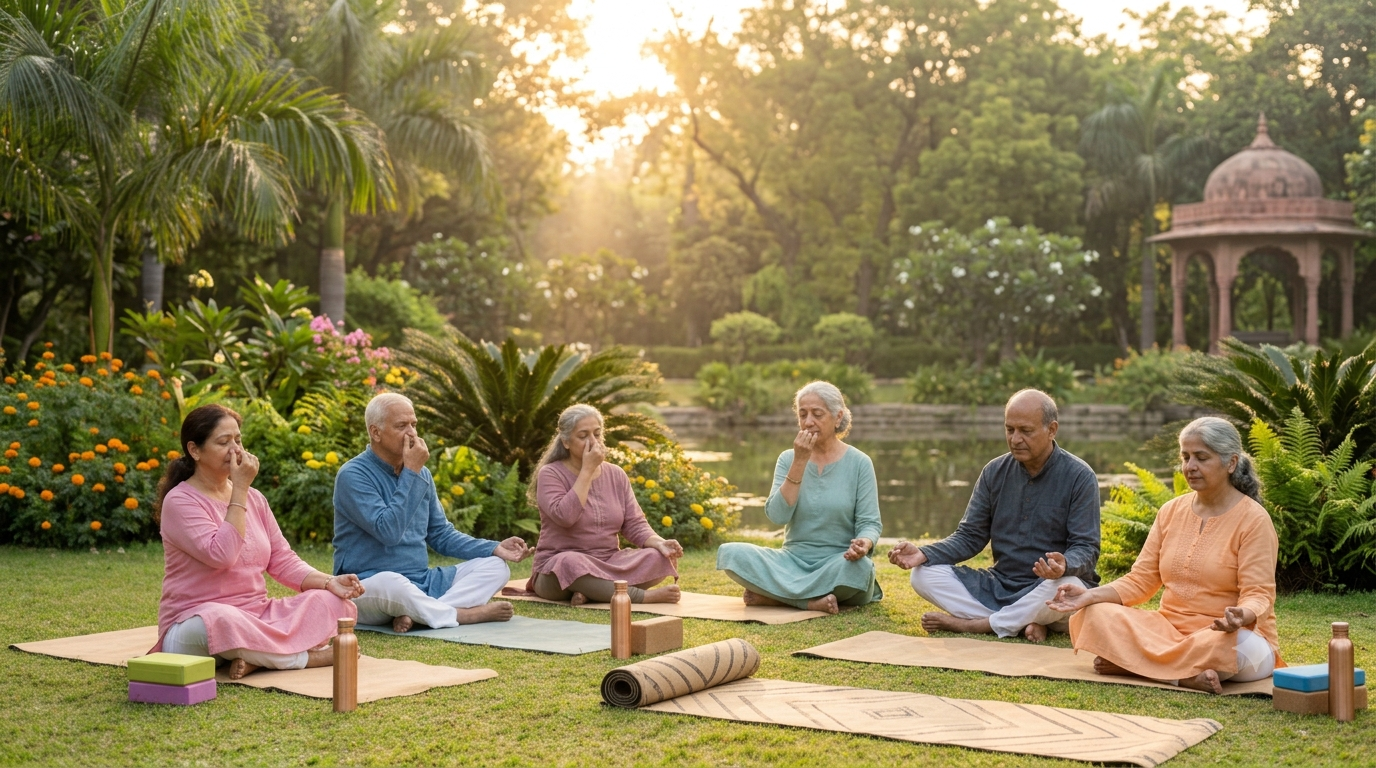
Bonus Practice: Anulom Vilom Pranayama
Pilots can benefit greatly from 5-10 minutes of Anulom Vilom after flights or during rest periods.
Benefits
- Reduces stress
- Improves concentration
- Promotes emotional balance
- Supports calm, clear thinking
Avoid breath retention while practicing.
A Simple 20-Minute Yoga Routine for Pilots
| Practice | Duration |
|---|---|
| Tadasana | 2 minutes |
| Cat-Cow | 4 minutes |
| Bhujangasana | 4 minutes |
| Vrikshasana | 5 minutes |
| Shavasana | 5 minutes |
Important Safety Note
Yoga is a supportive wellness practice not a substitute for medical care or aviation medical standards. Pilots experiencing persistent pain, dizziness, recent injuries, or other medical conditions should consult a healthcare professional before beginning any exercise program.
Final Thoughts
Pilots dedicate their careers to ensuring the safety of others, yet their own health is often overlooked. Incorporating a few simple yoga poses into your daily routine can improve posture, reduce pain, enhance flexibility, and support mental clarity.
A healthier body leads to a sharper mind and in aviation, both are essential.
Whether you’re preparing for takeoff or recovering after landing, yoga can become a valuable part of your wellness routine.
Frequently Asked Questions
Is yoga safe for pilots?
Yes. Gentle yoga is generally safe and can improve flexibility, posture, and stress management. Practice outside duty hours and follow medical guidance if you have existing health conditions.
How often should pilots practice yoga?
Practicing 15–20 minutes, 4–5 days per week, is enough to experience noticeable benefits.
Can yoga help with jet lag?
Yoga combined with breathing exercises and relaxation techniques may help reduce stress, improve sleep quality, and support recovery from travel fatigue.
Which breathing exercise is best for pilots?
Gentle diaphragmatic breathing and Anulom Vilom (without breath retention) are excellent choices for relaxation and mental focus.
Take care of your aircraft but don’t forget to take care of yourself. A healthy pilot makes safer decisions, enjoys better performance, and experiences a more fulfilling flying career.