What is Pratyahara (Sense Withdrawal)?
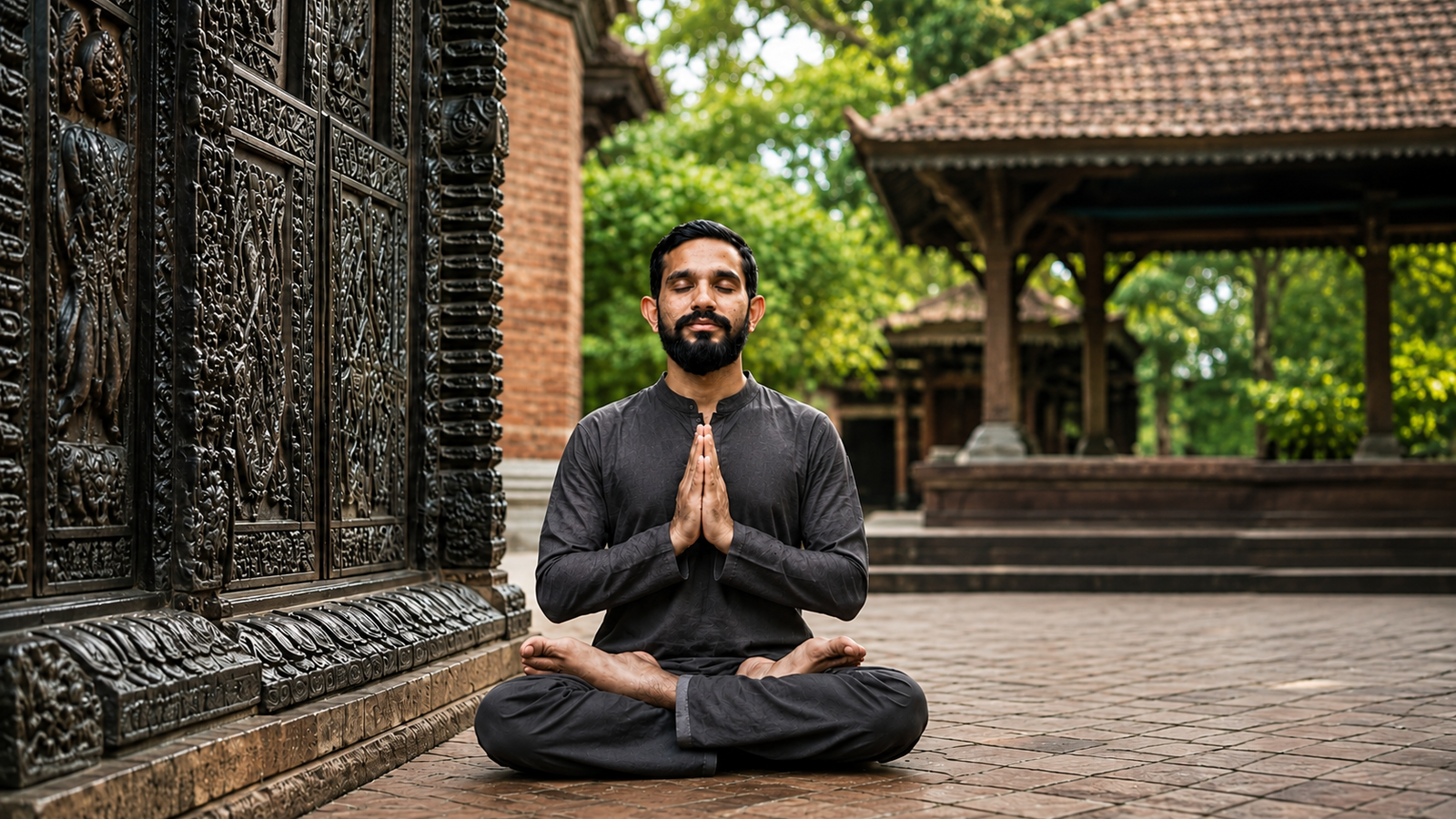
Patanjali’s Yoga Sutras describe pratyahara as the withdrawal of the senses from their objects, allowing the mind (chitta) to abide in its own nature. In practice, pratyahara means consciously turning the senses inward and controlling sensory inputs. It is the fifth limb of the eightfold path of yoga, bridging external practices (such as asana and pranayama) with deeper concentration and meditation. The Sanskrit term pratyahara (prati = back, ahara = taking in) literally means “taking back” the mind from its objects. In other words, it’s about pulling your awareness away from external stimuli and directing it inward.
The Yogic Perspective: Mind and the Senses
Our five senses are constantly drawn to the world around us. The eyes seek beauty, the ears crave music, and the nose loves fragrance. Without control, these sensory “horses” can pull the mind in all directions. Ancient yogic texts even compare the senses to wild horses and the mind to their charioteer. A skilled yogi (practitioner) learns to handle these horses: sometimes giving them free rein, other times gently drawing back the reins. If the horses run wild, the charioteer loses control — similarly, if the senses run unchecked, they can overwhelm the mind.
Pratyahara works by refocusing the mind inward. For example, when you become completely absorbed in listening to meditation music or a chant, you may hardly notice sights or smells around you. In that moment, the mind has chosen one focus (sound), and the other senses effectively withdraw. This is pratyahara in action: the mind shifts to one point and sensory distractions fall away. It’s not about becoming insensitive; rather, it creates a mindful space between sensation and reaction. In this way, the senses follow the nature of the mind, guiding your awareness deeper inside.
Yoni Mudra: A Technique for Sense Withdrawal
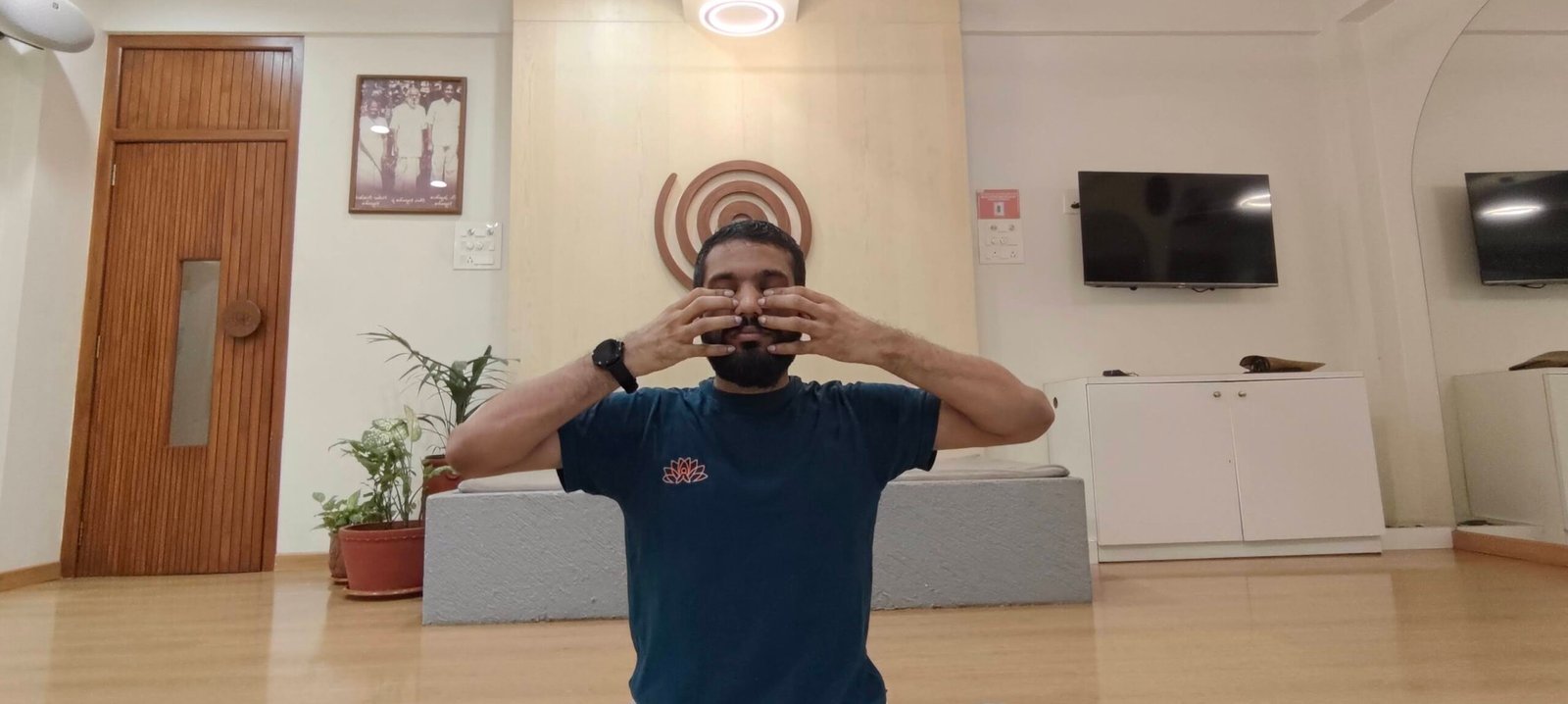
One practical method to achieve sense withdrawal is Yoni Mudra, a simple hand gesture also known as the “womb gesture” or Sanmukhi Mudra. This posture literally closes the six gates of perception (eyes, ears, nose, and mouth), helping you turn your awareness inward. It’s especially useful for yoga practitioners who find their attention wandering easily, as it provides an immediate way to quiet the senses and enter a state of deep focus.
How to Practice Yoni Mudra:
1. Sit Comfortably: Begin in Padmasana (lotus pose) or Sukhasana (Easy Pose) a straight spine and relaxed shoulders. Ensure your breath is calm and steady.
2. Block Your Senses: Gently place your hands on your face to seal off sensory input:
– Thumbs over your ears (muffling sound)
– Index fingers resting on your closed eyelids (darkness)
– Middle fingers pressing lightly on the sides of the nose (closing nostrils)
– Ring fingers on the upper lip and little fingers on the lower lip (closing the mouth softly)
3. Relax in the Pose: Keep your elbows lifted so that your hands stay in place without straining. All external senses should now be blocked.
4. Hold and Focus:Close your eyes and maintain a calm, natural breath. Stay in this mudra for 5–10 minutes. When you feel a deep internal calm, gently release the gesture by relaxing your fingers.
With practice, Yoni Mudra quickly brings about a state of inner silence. All external inputs are cut off, and the mind naturally turns inward. This often results in a serene, balanced state that prepares you for deeper meditation or focused mindfulness practice.
Benefits of Pratyahara for Mindfulness and Focus
Practicing pratyahara consistently offers many benefits for both yoga and daily life. For example, it trains your mind to stay present and not get pulled away by distractions. With the senses quieted, mental clutter and stress can melt away more easily.
Some key benefits of practicing pratyahara include: – Enhanced Mindfulness and Focus: Pratyahara teaches you to stay centered by preventing the mind from wandering to external distractions. This leads to sharper concentration during yoga, meditation, and everyday tasks.
– Deeper Meditation and Stress Relief: With fewer distractions, your mind can slip into a deeper, calm meditative state. Regular sense withdrawal practice helps reduce stress and anxiety, improving overall mental well-being.
– Self-Discipline and Control: Consciously withdrawing from sensory input strengthens your willpower. Over time, you gain better control over impulses and reactions, benefiting all areas of life.
– Inner Peace and Clarity: Creating a gap between sensation and reaction cultivates inner calm. Pratyahara develops lasting clarity of thought and emotional balance by allowing the mind to observe sensations without immediately reacting.
In Patanjali’s eight-limbed path of yoga, pratyahara is considered the gateway to Dharana (concentration) and Dhyana (meditation). By mastering sense withdrawal, you set the stage for these deeper practices. Ultimately, integrating pratyahara into your routine can make your whole yoga journey more effective and nourishing.